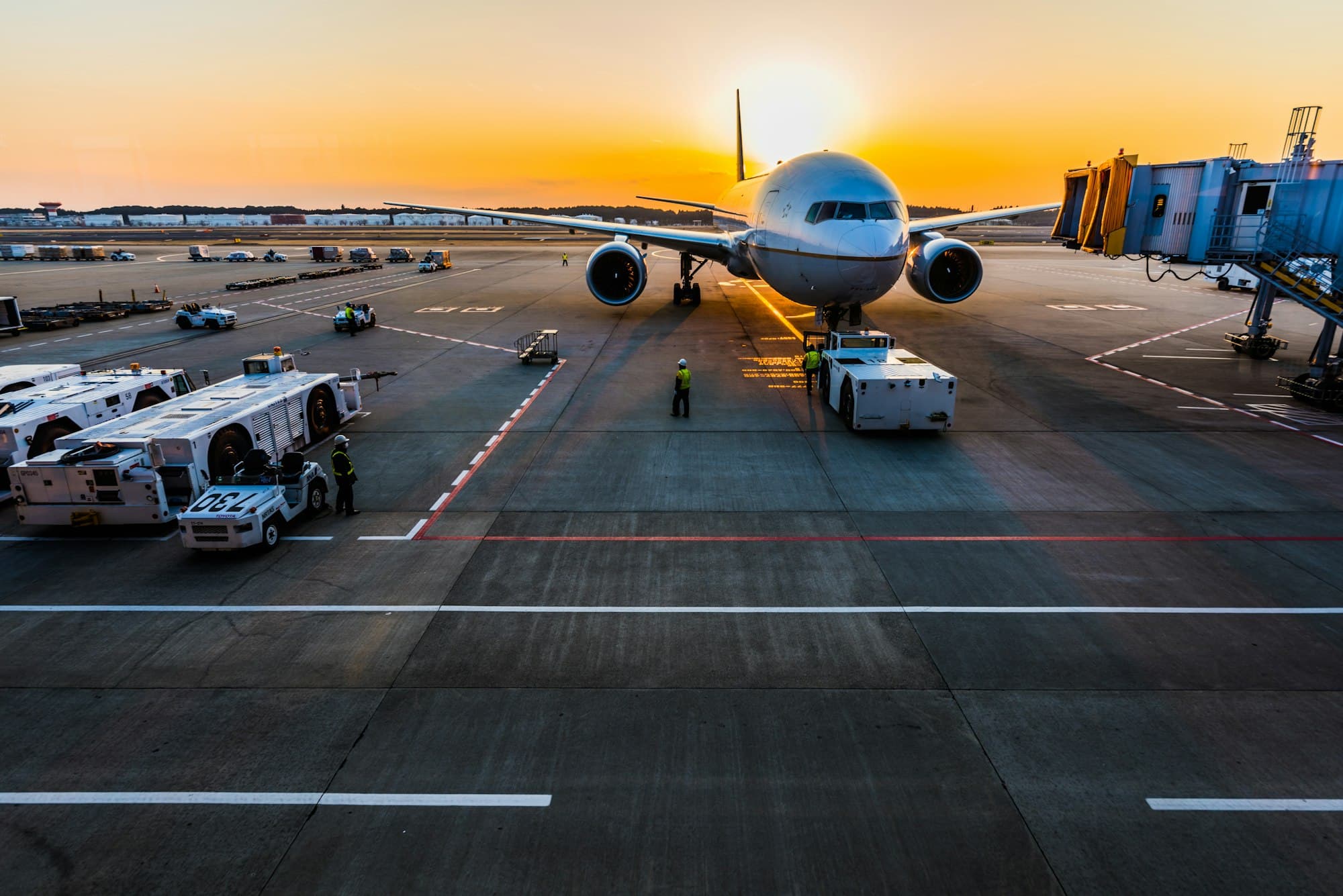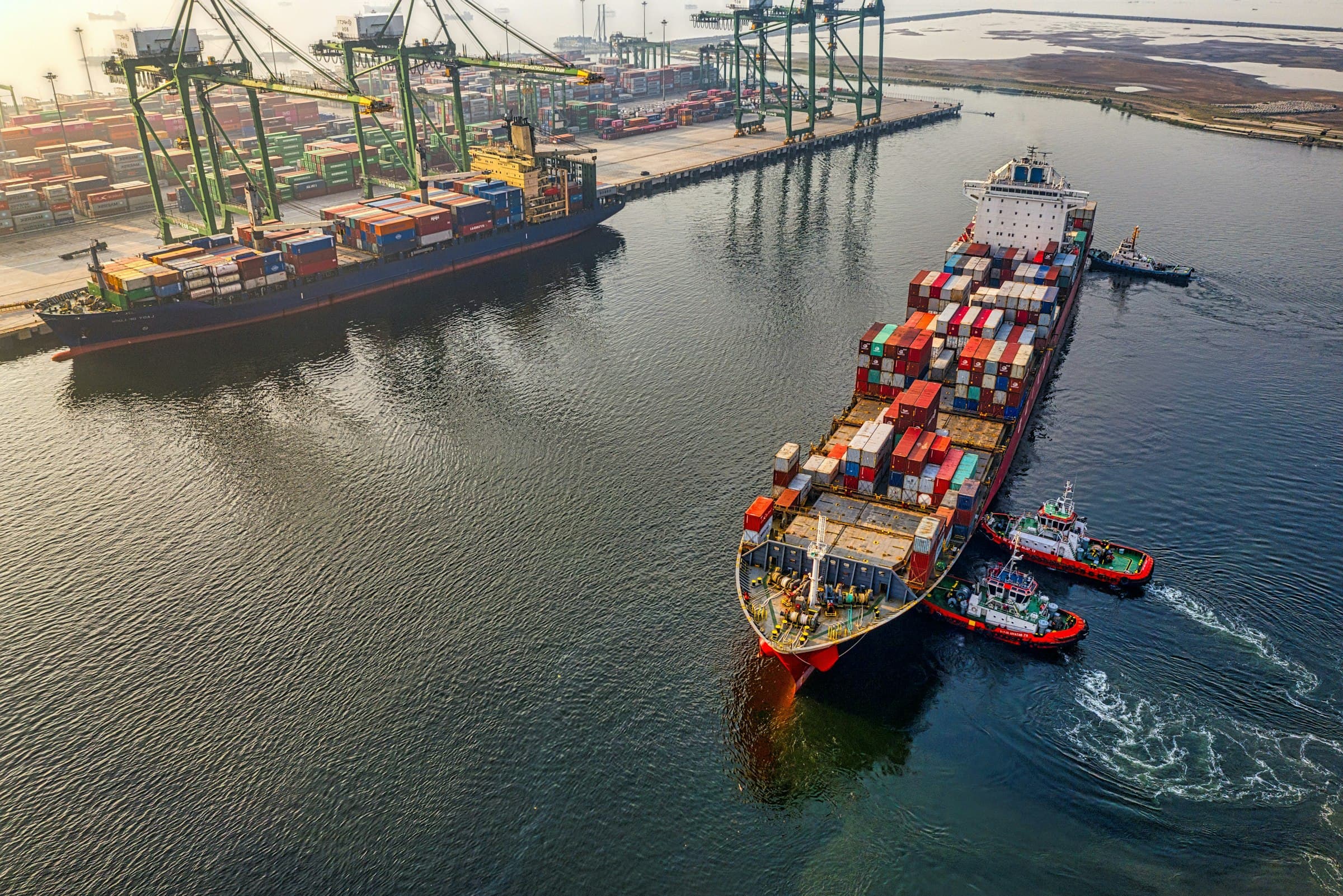
Air freight or sea freight? How to choose for each shipment
Air is fast and predictable; sea is cheap and built for volume. The right choice depends on five factors — and often the answer is both.
On this page
The choice between air and ocean freight is usually framed as speed versus cost. That is the core of it, but it is rarely the whole decision. The value of the goods, how predictable delivery needs to be, the shape of the cargo and what it costs to have stock sitting idle all change the answer.
How the two modes compare
| Factor | Air freight | Sea freight |
|---|---|---|
| Transit time | Typically days | Typically weeks |
| Cost per kilogram | High | Low |
| Best suited to | Light, compact, high-value, urgent goods | Heavy, bulky, lower-value, planned goods |
| Schedule reliability | Generally high | More exposed to port congestion and weather |
| Size and weight limits | Constrained by aircraft holds and doors | Very large and heavy loads possible |
| How you're charged | Higher of actual or volumetric weight | Per container, or per cubic metre for shared loads |
| Carbon footprint | Much higher per tonne-kilometre | Much lower per tonne-kilometre |
When air freight is the right call
- The goods are valuable relative to their weight — electronics, pharmaceuticals, jewellery, precision parts. Freight is then a small share of the goods' value.
- Time has a price. A production line waiting for a component, a product launch with a fixed date, or a seasonal window that closes.
- The goods are perishable — flowers, fresh food, some medicines.
- Security matters. Air cargo is handled less often and spends less time in transit.
- You want to hold less stock. Fast, reliable replenishment lets you carry smaller inventories.
When sea freight is the right call
- The cargo is heavy or bulky — furniture, machinery, building materials, raw materials.
- Margins are thin and freight would otherwise consume them.
- Demand is predictable, so you can order far enough ahead to absorb the transit time.
- You are moving full container loads. Once you can fill a container, the cost per unit drops sharply.
The cost that doesn't appear on the freight invoice
Comparing freight rates alone can mislead. Goods spending weeks on the water represent cash tied up in inventory you cannot sell, and safety stock you have to hold to cover the longer and less predictable lead time. For high-value products, that carrying cost can outweigh the saving on freight.
The reverse also holds: paying for air to rescue a stock-out that better planning would have prevented is one of the most expensive habits in logistics.
Often the answer is both
Many shippers split their flows: the bulk of predictable volume moves by sea, while air covers urgent replenishment, new-product launches and fast-moving lines. Others use sea-air services, which combine an ocean leg with an onward air leg to land between the two on both cost and speed.
- Work out the value per kilogram of the goods.
- Price both modes on your actual lane, including origin and destination charges.
- Add the cost of the inventory in transit for the sea option.
- Ask how much a late arrival would cost you.
- Choose per product line, not once for the whole business.