
Relocating a pet internationally: a timeline that actually works
Pet relocation is decided months before the flight. Here is the order things need to happen in — microchip, vaccines, paperwork and crate — and why the sequence matters.
On this page
Moving a pet across borders is less about the flight than about the months before it. Most destinations set entry requirements that have to be completed in a fixed order, with waiting periods between steps. Start too late, or do the steps out of sequence, and the only fix is to start again — which can mean months of delay.
The order of operations
| When | What | Why it can't move |
|---|---|---|
| As early as possible | Check destination rules | Sets every later step and its waiting periods |
| First | ISO-compliant microchip | Vaccinations generally only count if done after the chip |
| After microchip | Rabies vaccination | Often starts a mandatory waiting period |
| After the waiting period | Rabies antibody titre test, where required | Some countries add a further wait after the blood draw |
| Weeks before travel | Book the flight and crate | Airline pet capacity per flight is limited |
| Days before travel | Health certificate from a vet | Usually valid only for a short window |
| Before departure | Government endorsement, where required | Unendorsed certificates may be rejected |
Step one is the microchip — and the order matters
Many countries require an ISO 11784/11785-compliant microchip, and treat it as the animal's identity on every later document. Where a rabies vaccination was given before the chip was implanted, many destinations will not recognise it, and the vaccination has to be repeated — restarting any waiting period that depends on it.
Choosing the travel crate
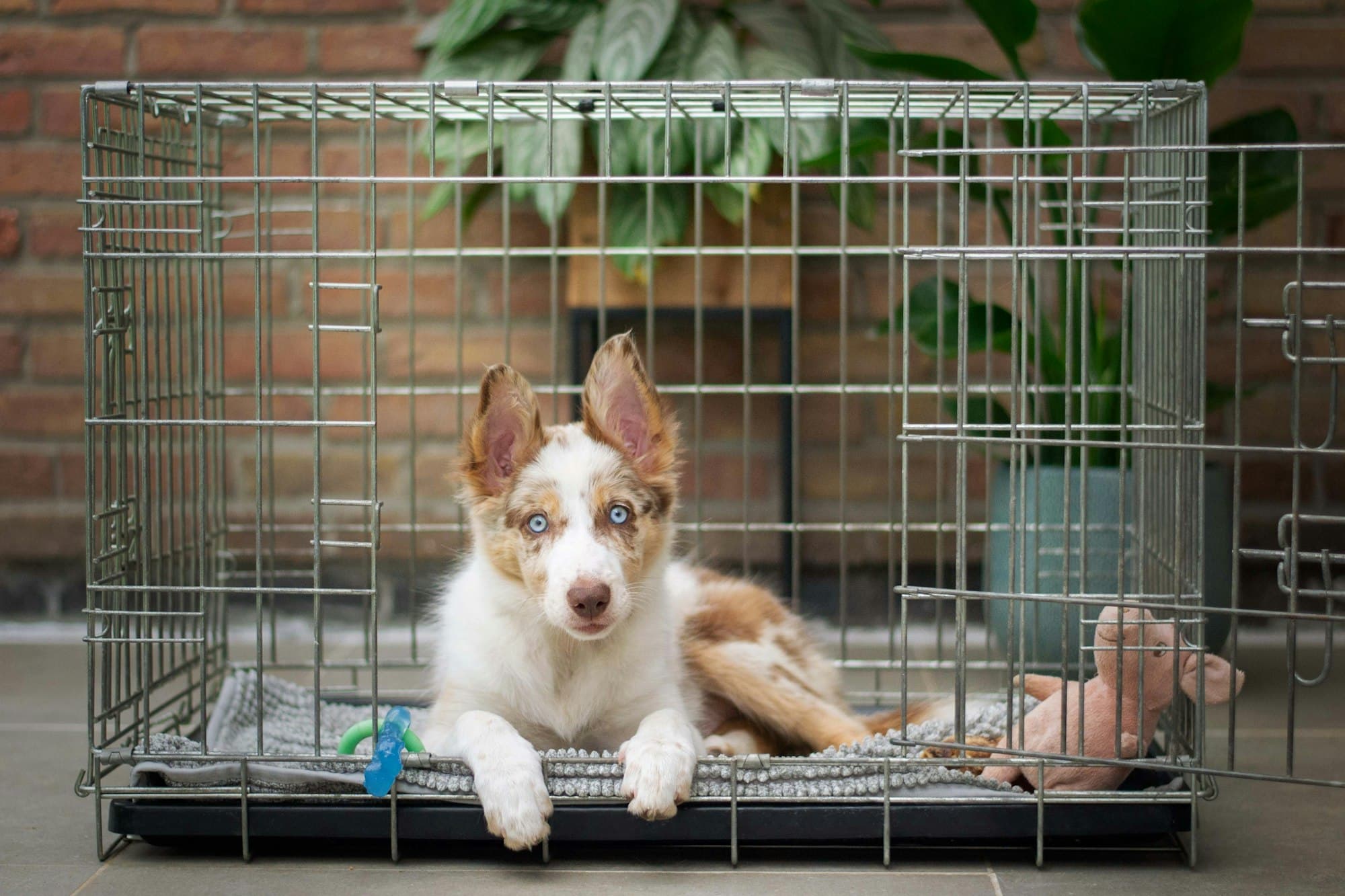
Airlines accept animals in crates that meet the IATA Live Animals Regulations. The crate is not a detail to sort out the week before: an animal that arrives at check-in in an unsuitable crate will not fly.
- Size — the animal must be able to stand without its head touching the top, turn around, and lie down in a natural position.
- Construction — rigid sides, a secure door, and ventilation on multiple sides.
- Water and food — dishes accessible from outside without opening the door.
- Labelling — "Live Animal" labels and orientation arrows, with owner and destination details attached.
- Familiarity — introduce the crate weeks in advance so the animal is calm inside it.
Breeds that need extra planning
Short-nosed (brachycephalic) breeds — including Bulldogs, Pugs, Boxers, and Persian and Himalayan cats — are more vulnerable to breathing difficulties and heat stress. Many airlines restrict or refuse them in the cargo hold, and some impose seasonal embargoes. If you have one, confirm acceptance with the airline before any other booking.
On the day
- Feed a light meal a few hours before departure, not immediately before.
- Keep the animal hydrated, and attach a water source to the crate.
- Avoid sedation unless a vet specifically advises it. Sedation can affect breathing and balance at altitude, and many airlines will not accept sedated animals.
- Carry copies of every document, separate from the originals travelling with the animal.
Sources
Rules change. This guide is general information, not legal or customs advice — check the current requirements for your shipment before you send it.